1. Examples:
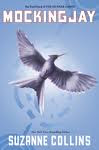
Pull out your favorite book. Hunger Games, Stargirl, The Giver, Harry Potter, Percy Jackson, Heist Society, Unwind, Paranormalcy...Whatever. Yes, Twilight is fine.
What about this book makes it good? I'm sure, somewhere in your list of praise...it will include "compelling characters".
So what about the writing makes us want to know Stargirl, to be Katniss, or fall in love with Edward?
They seem real.
2. Details:
What makes a character real is their depth. You want them to have layers, motivations, emotions, likes/dislikes. They need to be tangible to you before they can be tangible to anyone else.
Interview your characters: Have a survey for each one of them. This is more important than knowing what they all look like (even though your questionnaire can include that). This is where you discover who they are, what kind of report card they get, how they like their eggs, etc. Know them inside out and then incorporate their personality quirks in your writing.
3. Flaws:
Perfect is boring.
All Characters need a flaw. Something they are bad at... even Edward has flaws. He's just plain stupid over Bella sometimes...
Katniss is an awful actress.
Percy Jackson has learning disabilities.
Connor, from Unwind, has a temper that gets him into fights.
What I love about these flaws is that they are short comings, but the characters are made more endearing by them...
We love Edward because he's so ridiculously in love with plain ol' Bella.
Katniss can't fake it, but being herself is all anyone really needs.
Percy may have felt like a misfit because of his learning disabilities but then he finds out his brain is really programmed from Greek...
Connor only fought when he was standing up for something or someone.
4. Arc:
People change. Characters should too... but realistically and sometimes subtlety.
You don't want your character to be an entirely different person at the end of the book! You want your character and their voice to be consistent. But you want aspects of that character to change, their perspective, or facing a fear or coming to terms with things... This should be gradual in your writing, and is a definite show not tell situation. Put your characters in positions where they learn something and then stick them in another where they use the wisdom they've gained...
Back to Connor from Unwind. I love his transformation because the author, Neal Shusterman, took his flaw: fighting--made you realize he fought for the right reasons and because he was an alpha--had another character point out that fighting wasn't always the best option and then put him in situations to test what he had learned. By not fighting Connor was even more powerful and a better leader to the other 'unwinds'.
Example of a Character Sketch/Interview:
1. What's their favorite... food, drink, color, music, hobby?
2. What kind of personality do they have?
3. What's under their bed?
4. Who do they go to for advice?
5. What is their biggest strength?
6. What's their weakness?
7. Who are their friends/What are they like?
8. What does their bedroom/locker/the inside of their fridge look like?
9. How many siblings do they have?
10. Where is there favorite spot?
Good luck creating your characters, I'm looking forward to meeting them.
What questions do you like to ask your characters?